
How Do Manufacturers Ensure Stainless Steel Used Is Food-Grade 304 Or 316?
Stainless steel is a widely used material in the food and beverage industry due to its durability, corrosion resistance, and hygienic properties. However, not all stainless steel is created equal. Food-grade stainless steel, primarily types 304 and 316, must meet specific standards to ensure safety and quality. Manufacturers utilize several methods and tests to confirm that the stainless steel used meets the stringent requirements for food-grade applications.
Understanding Food-Grade Stainless Steel
Food-grade stainless steel typically refers to types 304 and 316. Type 304 is the most common and versatile, containing 18% chromium and 8% nickel. On the other hand, type 316 includes molybdenum, enhancing corrosion resistance particularly against chlorides and salts, making it ideal for marine and chemical processing environments as well as food applications.
Methods to Ensure Food-Grade Standards
Material Certification
Manufacturers often request Material Test Reports (MTRs) from their suppliers to verify the chemical composition and mechanical properties of the stainless steel. An MTR specifically outlines the percentages of chromium, nickel, molybdenum, and other elements, ensuring the material meets food-grade specifications.
Surface Finish Analysis
Surface finish plays a crucial role in hygienic applications. Food-grade stainless steel requires a smooth, non-porous surface that minimizes the risk of bacterial contamination. Manufacturers use surface finish inspections or require polishing to defined standards such as No. 4 finish or electropolishing.
Corrosion Resistance Testing
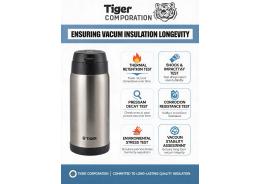
To verify corrosion resistance, particularly in environments involving acidic or salty conditions, manufacturers conduct tests like salt spray testing or immersion testing. This ensures the stainless steel performs effectively without compromising safety.
Compliance With Standards
International standards such as ASTM A240 or EN 10088 specify requirements for food-grade stainless steel. By sourcing materials in compliance with these standards, manufacturers demonstrate their commitment to quality and safety.
Conclusion
For manufacturers in industries like food, beverages, or medical supplies, ensuring the use of food-grade stainless steel is critical. From material certification and surface finish analysis to corrosion resistance testing and compliance with industry standards, multiple steps are taken to guarantee safety. Whether choosing 304 or 316 stainless steel, reliable suppliers and rigorous testing procedures are fundamental to meeting food-grade requirements.
Learn more about high-quality stainless steel products for food and beverage applications on Tiger Flask.
 English
 German
 French
 Russian
 Spanish
 Japanese
 Korean
 Portuguese
 Ukrainian
 Arabic
 Italian


